What Would You Do? in WWII: Prison Walls
SITREP — Extract
Mission File:Operation Jericho
Amiens Prison, France, February 1944
Operational Context: German authorities are holding French Resistance members and political prisoners inside Amiens Prison. Intelligence indicates that some are facing execution, and others may possess knowledge useful to the coming Allied invasion.
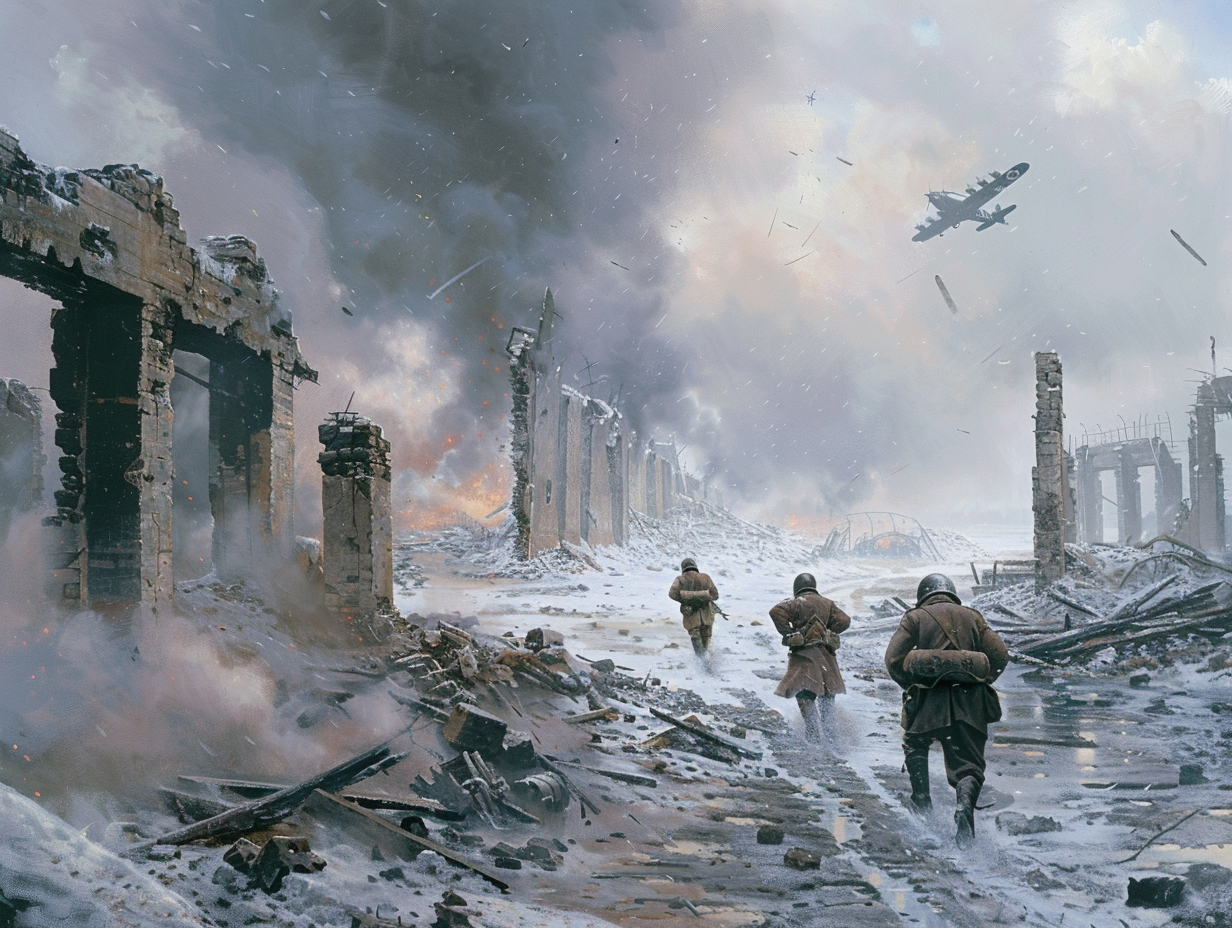
A direct ground rescue is unlikely. The prison is guarded, the surrounding area is watched, and any failed attempt may bring arrests, reprisals, and the disappearance of prisoners into the German system.
The proposed solution is audacious: a low-level air raid by RAF Mosquito bombers. The aircraft will cross the Channel in poor winter weather, approach Amiens at extremely low altitude, and strike the prison walls and guard quarters with delayed-action bombs. If the timing is precise, the outer walls may be breached and prisoners may have a chance to escape before German forces can respond.
If the timing is wrong, the bombs may kill the very people the mission is meant to save.
Objective(s): Breach Amiens Prison and create an escape opportunity for Resistance and political prisoners before they can be executed, deported, or further interrogated.
Complication(s): The target is not an ammunition depot, rail junction, or bridge. It is a prison filled with occupied France’s own civilians, resisters, suspects, informants, and ordinary detainees. The weather is severe, the attack must be flown at roof height, and the margin for error is almost nonexistent.
A successful strike may free prisoners and disrupt German security operations before D-Day. A failed strike may become an Allied massacre carried out in the name of rescue.
Command Decisions:
Authorize the Raid — Send the Mosquitoes in at low level and attempt to break the prison open. Best chance to free prisoners quickly, but civilian and prisoner casualties are almost certain if the bombing is imperfect.
Abort or Delay the Mission — Avoid bombing a prison and preserve Allied credibility, but leave condemned Resistance members in German hands and risk the loss of valuable intelligence networks before the invasion.
Operational Judgment:
A prison wall can be broken by explosives. Legitimacy cannot. Yet in occupied France, hesitation may carry its own death sentence. Is a dangerous rescue still a rescue if it kills some of those it came to save?
DEBRIEF: FINAL DISPATCH
“THE WALLS CAME DOWN. SO DID THE ILLUSION THAT MERCY COULD ALWAYS ARRIVE CLEAN.”
Historical Outcome:
Operation Jericho took place on 18 February 1944. RAF Mosquitoes attacked Amiens Prison at very low altitude, breaching the walls and striking prison buildings. The raid allowed 258 prisoners to escape, though many were later recaptured. 102 prisoners died, and 74 were hospitalized. The attacking force also suffered losses, including destroyed aircraft and aircrew killed or captured.
Historical Note:
This scenario is based on a documented WWII operation. The decision framing is reconstructed for reader engagement, but the core facts, date, place, objective, method, and consequences are historically recorded. The Australian War Memorial notes that among the escapees were French Resistance members, including prisoners scheduled for execution.
Mosquito: a fast British twin-engine aircraft often used for precision, low-level operations.
Explore Matters of Consequence